Casino scenes are irresistible to novelists. A card table gives you hidden information, rising stakes and a moment of truth, all in one room. But readers who gamble will spot a fake game instantly, and one wrong detail can break the spell. Here is how to research, write and pace a casino scene that rings true.
1. Do the research
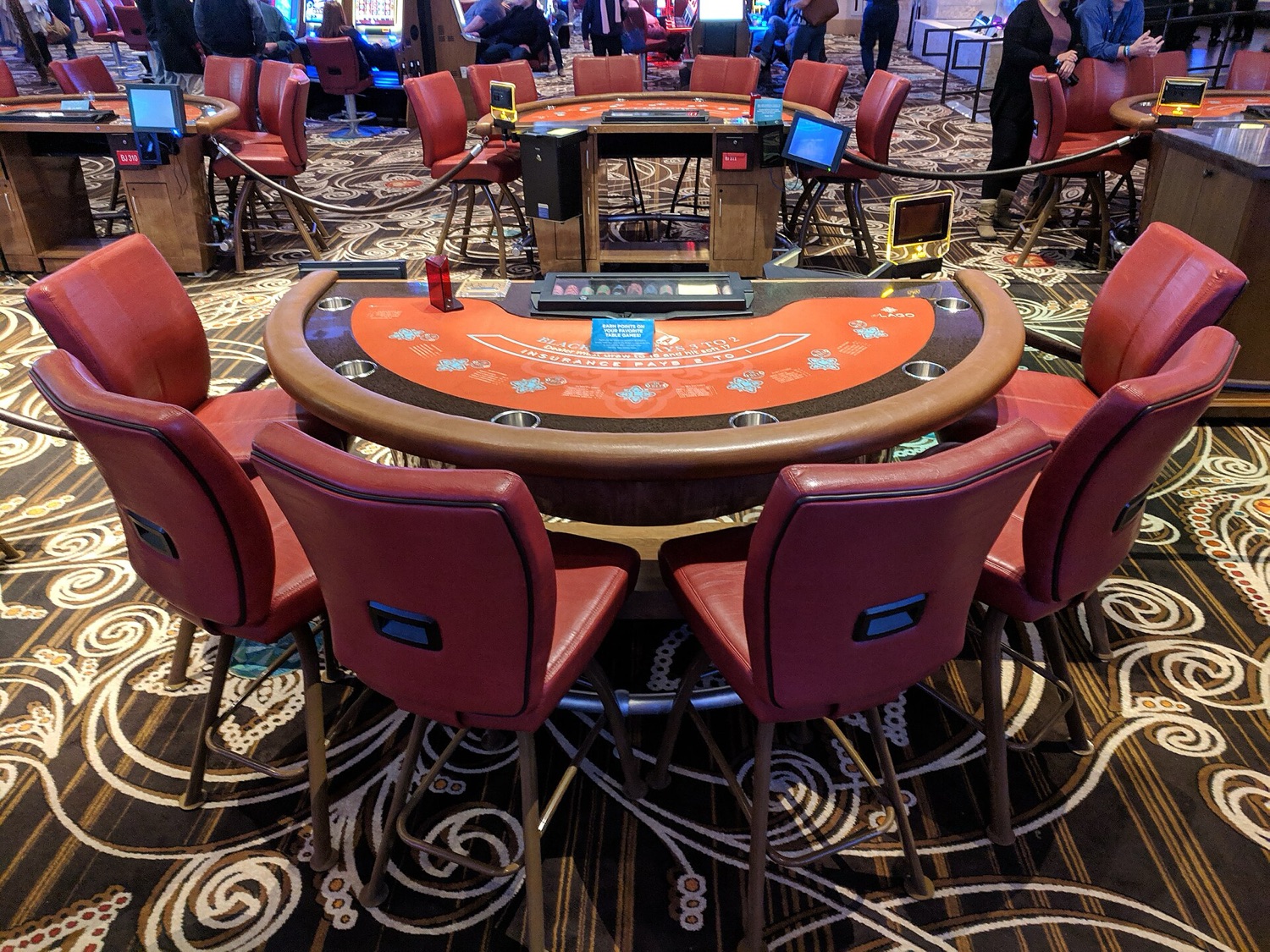
Nothing replaces seeing a casino with your own eyes. Visit one, at a quiet hour and a busy one, and watch before you play. Notice how dealers handle cards and chips, how players buy in, what the pit bosses do, where the cashier's cage is, and what the room sounds like. If you cannot visit, watch broadcast poker tournaments and dealer training videos, which show procedure in detail, and read the published rules of the games you plan to use.
Learn the vocabulary too. A croupier runs a roulette or baccarat table; a dealer runs blackjack or poker. Players exchange cash for chips at the table or at the cage. In poker you check, bet, call, raise or fold, and the last community card is the river. Getting the words right is the fastest way to earn a knowledgeable reader's trust.
2. Get the odds right
You do not need to be a mathematician, but you should know the basic numbers, because your characters will.
| Game or event | Approximate figure | Why it matters in a story |
|---|---|---|
| Single-zero roulette house edge | 2.70% | European wheels give the house a smaller edge than American ones |
| Double-zero roulette house edge | 5.26% | The extra green pocket nearly doubles the house's advantage |
| Blackjack with basic strategy | Around 0.5%, depending on rules | Why card counters can tip the odds and casinos watch them |
| Baccarat banker bet | About 1.06% | The bet serious players favour, as in Casino Royale |
| Royal flush in five-card poker | About 1 in 649,740 | Two in one hand should make readers suspicious |
| Four of a kind in five-card poker | About 1 in 4,165 | Rare enough to be a moment, not a routine |
The most common mistake in casino fiction is the impossible hand: a showdown where one player holds four aces and the other a straight flush, round after round. If you want a miracle hand, make it the only one in the book, and let your characters be as stunned as your readers.

3. Make the stakes emotional, not just financial
A pile of chips means nothing to readers until they know what it means to the character. Dostoevsky understood this: in The Gambler, Grandmother's losses matter because the whole family's future depends on her money. Fleming did the same in Casino Royale, where losing the baccarat game means losing the mission. Decide before you write what your character will lose if the cards go wrong: a fortune, a relationship, their pride, their freedom.
4. Explain the game through the character
Readers who do not play still need to follow the action. The best writers explain the rules through a character's thoughts at the moment they matter, never in a lecture. Fleming teaches baccarat in a few paragraphs of Bond's reflections. A novice narrator can learn the game alongside the reader; an expert can notice what an amateur is doing wrong. Either way, keep the explanation short and tied to tension.
5. Use tells, reads and silence
In poker especially, the drama lives in what players do not say. Physical "tells" (a trembling hand, a too-casual shrug, a sudden interest in the ceiling) became a subject of study in their own right; Mike Caro's Book of Tells (1984) is a classic. Show your characters reading each other, guessing wrong, bluffing and being bluffed. A long silence before a call can carry more suspense than a gunfight.
6. Pace the hands
Real games are long and repetitive. Fiction should not be. Skip the routine hands in a sentence or two, then slow time right down for the one that matters: the card in the air, the croupier's voice, the pause before the reveal. Sensory detail helps here. The smoke, the cold air, the rattle of a roulette ball and the soft click of chips do a lot of work.
7. Avoid the classic mistakes
- Card counting is not illegal in Nevada and many other places, but casinos can refuse to deal to suspected counters or ask them to leave. Do not have your counter arrested just for counting.
- Table limits exist. A character cannot usually walk up to an ordinary table and bet a million dollars; high-stakes play happens in private salons with agreed limits.
- Cash plays differently around the world. Rules on cash at the table, dress codes and the games on offer vary from Las Vegas to Monte Carlo to Macau. Pick a real or realistic location and stay consistent.
- Dealers do not give strategy advice or take sides in a dispute. Disputes go to a floor supervisor, and cameras overhead see everything.
Read the masters
The best way to learn is to read writers who get it right: Dostoevsky, Fleming, McManus, Puzo. Start with our reading list for poker and casino fans and the best poker books. And when your book is ready, our free promotion resources for authors will help you find its readers.