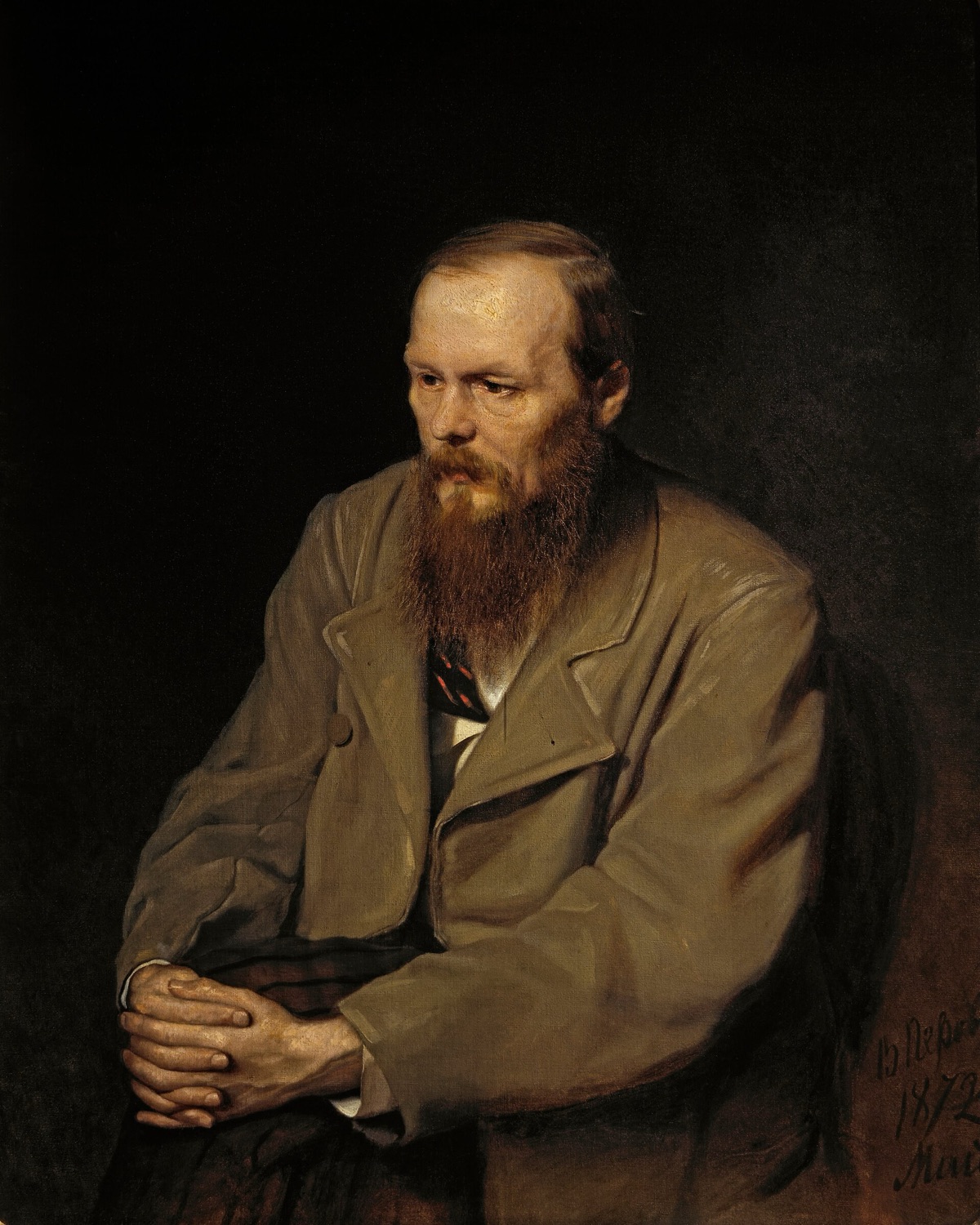
Few novels have a better origin story than The Gambler. In October 1866 Fyodor Dostoevsky had less than a month to deliver a complete novel he had not yet started. If he missed the deadline, a publisher would own the rights to his work for years. He hired a stenographer, dictated the book in about 26 days, and drew on the one subject he knew better than almost anyone: losing money at roulette.
A contract with a trap in it
By the mid-1860s Dostoevsky was drowning in debt. The death of his brother Mikhail in 1864 left him saddled with the debts of their failed magazine, and his own gambling had made things worse. In 1865 he signed a harsh contract with the publisher Fyodor Stellovsky: a modest sum for the rights to an edition of his works, plus a promise to deliver a new novel by 1 November 1866. If he failed, Stellovsky would be free to publish everything Dostoevsky wrote for the next nine years without paying him.
At the same time Dostoevsky was writing Crime and Punishment, which was appearing in instalments through 1866. By early October he had nothing for Stellovsky. On a friend's advice he hired a young stenographer, Anna Grigoryevna Snitkina. She arrived on 4 October; by the end of the month the novel was finished. Stellovsky, the story goes, made himself hard to find, so Dostoevsky lodged the manuscript at a police station to prove it had been delivered on time. A few months later, in February 1867, he married Anna.
Roulettenburg: a novel written from the inside
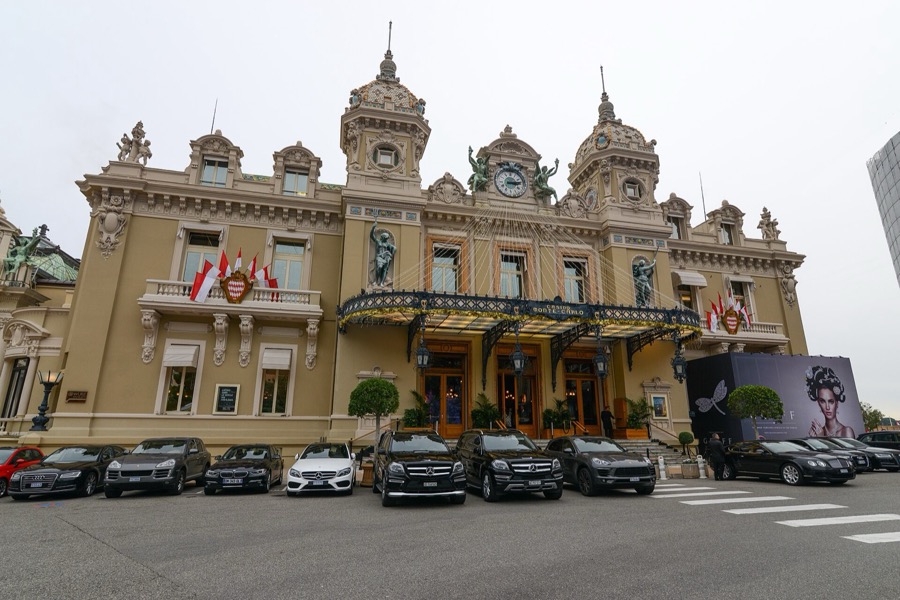
The novel is set in "Roulettenburg," an invented German spa town modelled on the resorts Dostoevsky knew: Wiesbaden, Baden-Baden and Bad Homburg, where Russian aristocrats, adventurers and hangers-on gathered around the roulette wheels in the 1860s. The narrator, Alexei Ivanovich, is a tutor in the household of a debt-ridden Russian general who is waiting for a rich elderly relative to die. Alexei is hopelessly in love with the general's stepdaughter, Polina, and he tells himself he gambles for her sake.
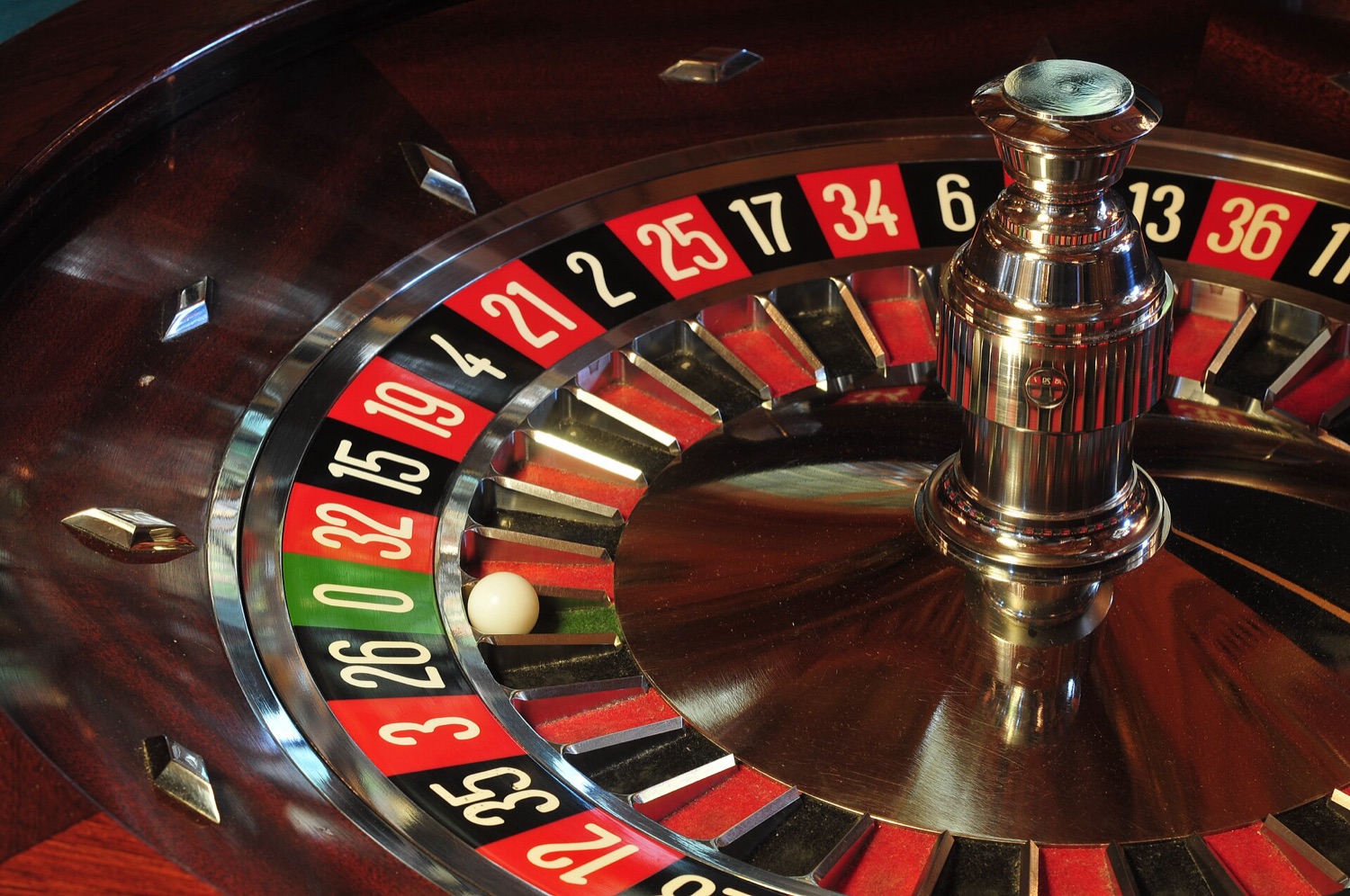
The book's most famous episode belongs to "Grandmother," the relative everyone hoped was on her deathbed. She arrives in Roulettenburg very much alive, is carried to the casino in her chair, falls in love with the wheel and loses a fortune in a few days, insisting again and again on betting on zero. It is comic, horrifying and utterly convincing, the kind of scene only someone who had felt the pull of the table could write.
By the end Alexei has won and lost everything, including Polina, and has become exactly the kind of man he once despised: a gambler who cannot stop. His last pages, full of promises that tomorrow will be different, are among the most painfully honest descriptions of compulsion in literature.
Dostoevsky at the tables
Dostoevsky first played roulette in Wiesbaden in 1863, won, and became convinced he had found a system. He spent much of that year travelling through Europe with Apollinaria Suslova, the model for Polina, losing money at every stop. In 1865 he lost so badly in Wiesbaden that he wrote begging letters, including one to Ivan Turgenev. Even on his honeymoon with Anna in 1867, in Baden-Baden, he pawned their belongings to keep playing.
The fever finally broke in Wiesbaden in April 1871. After one more disastrous night he wrote to Anna that he would never play again, and, remarkably, he kept his word. The decade that followed produced Demons, The Adolescent and The Brothers Karamazov.
The Gambler at a glance
- Russian title
- Igrok
- Written
- October 1866, dictated in about 26 days
- Published
- 1866, by Stellovsky
- Setting
- Roulettenburg, a fictional German spa town
- Game
- Roulette
- Stenographer
- Anna Snitkina, later Anna Dostoevskaya
- Read it for
- Grandmother's run at the wheel and an insider's view of the gambling mind
Other writers at the tables
Dostoevsky was not the only great writer who knew the casino from the inside:
- Alexander Pushkin was a passionate card player who carried gambling debts for much of his life. His story "The Queen of Spades" (1834), about an officer obsessed with a secret sequence of three winning cards at faro, is one of the great gambling tales.
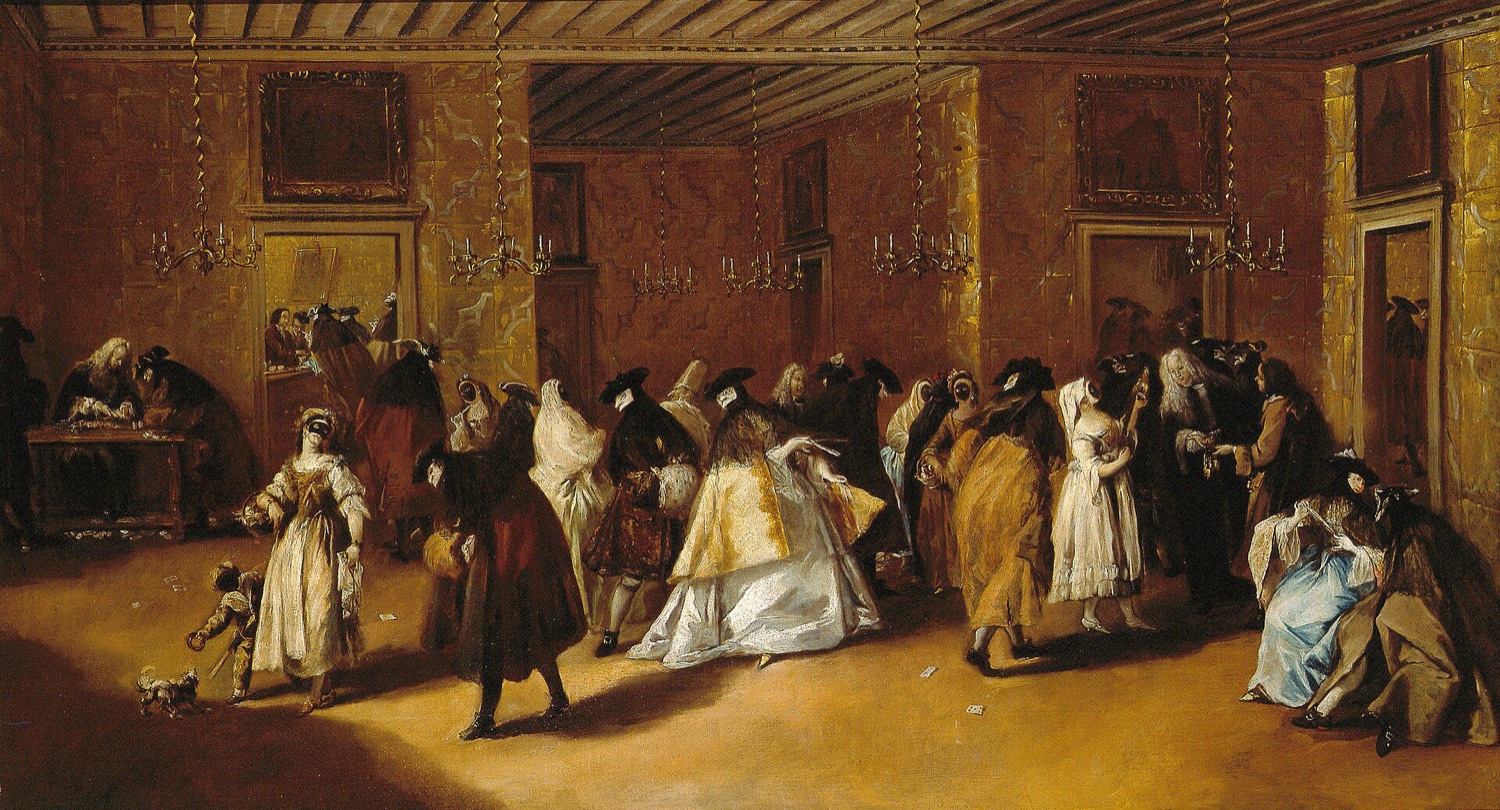
- Giacomo Casanova gambled his way across eighteenth-century Europe, played in Venice's state gambling house, the Ridotto, and helped launch a state lottery in Paris in 1757.
- Leo Tolstoy lost heavily at cards as a young man; to cover his debts, the main house at his estate, Yasnaya Polyana, was sold and moved away in the 1850s.
- William Makepeace Thackeray lost money gambling as a student and later wrote The Luck of Barry Lyndon (1844), the memoir of a charming Irish card sharp and fortune hunter.
Where to go next
If The Gambler leaves you wanting more, start with Pushkin, then jump forward a century to Ian Fleming, whose first novel is built around a single night of baccarat: read Casino Royale and the game that made James Bond. Our reading list for poker and casino fans collects the best gambling books in one place, and the whole section lives at Casino Novels.