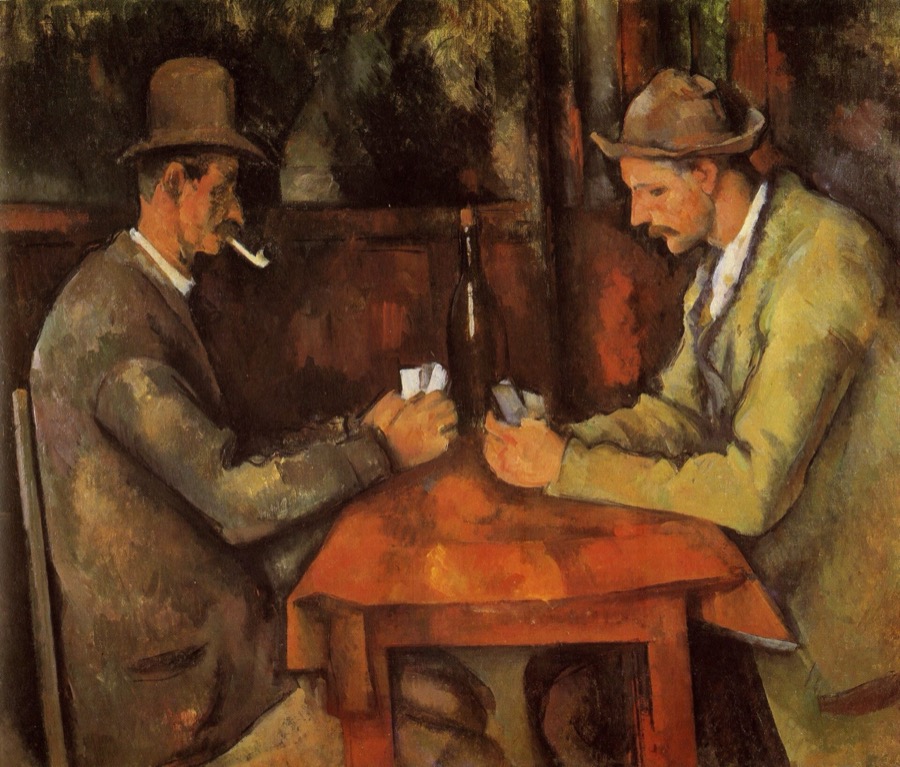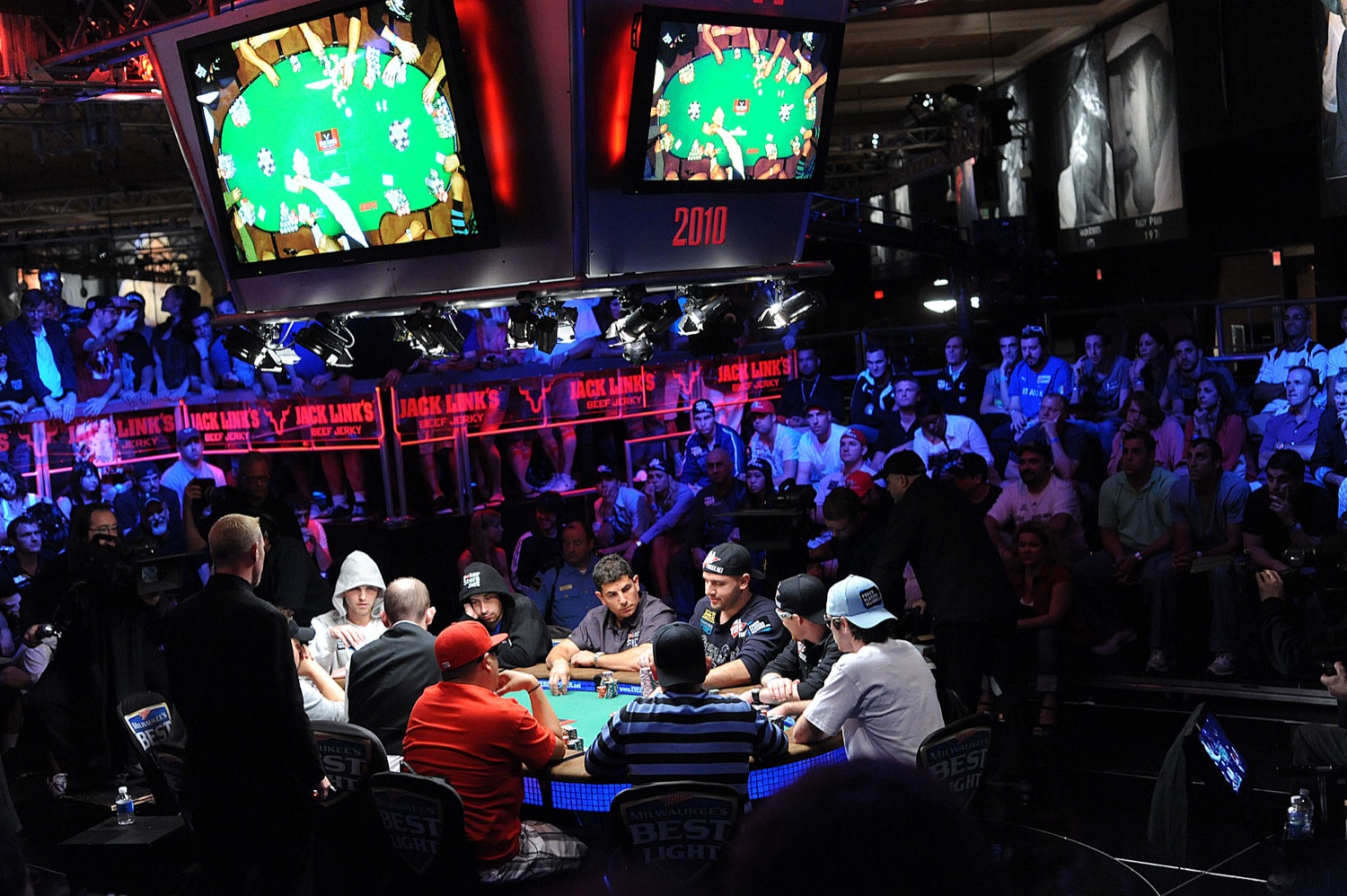
Poker has produced a surprisingly rich shelf of books. Some are memoirs and reportage, some are strategy manuals, and a few are genuinely great non-fiction about risk, luck and the people who live by them. Here are the essentials, with a note on what each one is really about.
Positively Fifth Street by James McManus (2003)
In 2000, Harper's Magazine sent the poet and novelist James McManus to Las Vegas to cover two stories: the World Series of Poker at Binion's Horseshoe, and the murder trial connected with the death of Ted Binion, heir to the casino family. McManus took his expense money, played his way into the main event through a satellite tournament and, to everyone's astonishment including his own, reached the final table, finishing fifth and winning around a quarter of a million dollars.
The result, Positively Fifth Street, is part true crime, part tournament diary and part meditation on luck, and it is one of the best books ever written about gambling. McManus later wrote Cowboys Full (2009), a lively history of poker from the Mississippi riverboats to the internet.
Thinking in Bets by Annie Duke (2018)
Annie Duke studied cognitive psychology before becoming one of the most successful poker players of her generation, winning a World Series of Poker bracelet in 2004. Thinking in Bets is not a poker manual. It is a book about making decisions when you do not have all the facts, which is to say almost every decision in life.
Her key idea is "resulting": the habit of judging a decision by its outcome rather than its quality. A good decision can lead to a bad result, and a terrible decision can get lucky. Poker players learn to separate the two because the cards force them to; the rest of us, Duke argues, should learn to do the same.
Bringing Down the House by Ben Mezrich (2002)
Ben Mezrich's bestseller tells the story of a team of students from the Massachusetts Institute of Technology who used card counting and team play to win large sums at blackjack in Las Vegas and elsewhere in the 1990s. Players at the table, "spotters," kept track of the count and signalled a "big player" to join when the remaining cards favoured the players. The main character, "Kevin Lewis," was based largely on team member Jeff Ma.
The book reads like a thriller, and it was adapted into the film 21 (2008). Readers should know that Mezrich used composite characters and dramatised events, and some former team members have disputed parts of the story. Treat it as a gripping, based-on-fact narrative rather than a strict history.

The classics behind the classics
- Beat the Dealer by Edward O. Thorp (1962). The mathematics professor who proved, with the help of an early IBM computer, that blackjack could be beaten by counting cards. Every later blackjack book, including Mezrich's, rests on Thorp's work.
- Super/System by Doyle Brunson (1979). The two-time world champion's strategy bible, written with other top players, which changed how serious players approached the game.
- The Theory of Poker by David Sklansky (1987). The book that taught a generation to think about poker in terms of expected value and the "fundamental theorem of poker."
- The Biggest Game in Town by A. Alvarez (1983). The poet and critic's portrait of the 1981 World Series of Poker and the old road gamblers who ran it, elegant and still fresh.
- The Biggest Bluff by Maria Konnikova (2020). A psychologist and writer who knew almost nothing about poker spends a year learning it under champion Erik Seidel, and ends up winning a major tournament title. A smart book about luck versus skill.
| Book | Author | Year | Best for |
|---|---|---|---|
| Positively Fifth Street | James McManus | 2003 | Readers who love narrative non-fiction |
| Thinking in Bets | Annie Duke | 2018 | Anyone who makes decisions under uncertainty |
| Bringing Down the House | Ben Mezrich | 2002 | Thriller fans curious about card counting |
| Beat the Dealer | Edward O. Thorp | 1962 | Blackjack players and maths lovers |
| Super/System | Doyle Brunson | 1979 | Serious poker players |
| The Biggest Game in Town | A. Alvarez | 1983 | Poker history and great prose |
| The Biggest Bluff | Maria Konnikova | 2020 | Readers new to poker |
Why poker makes good books
A poker hand has everything a writer wants: hidden information, rising stakes, a moment of decision and a reveal. That is why novelists keep returning to it, and why our guide to writing believable casino scenes spends so much time on the card table. For the fiction side of the shelf, see the reading list for poker and casino fans, and for one of the great card-game histories, Ronald L. Allen's Evolution of Bid Whist.