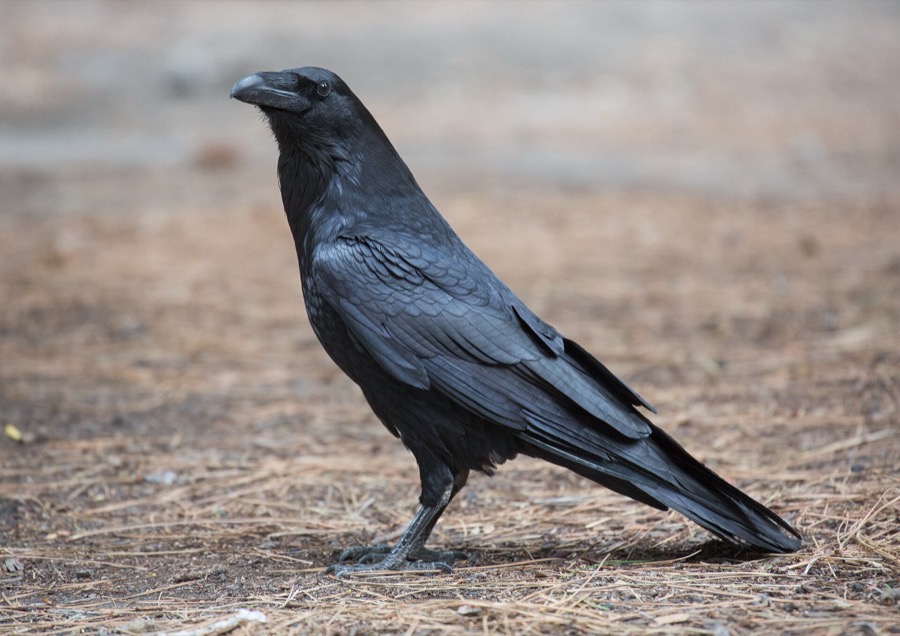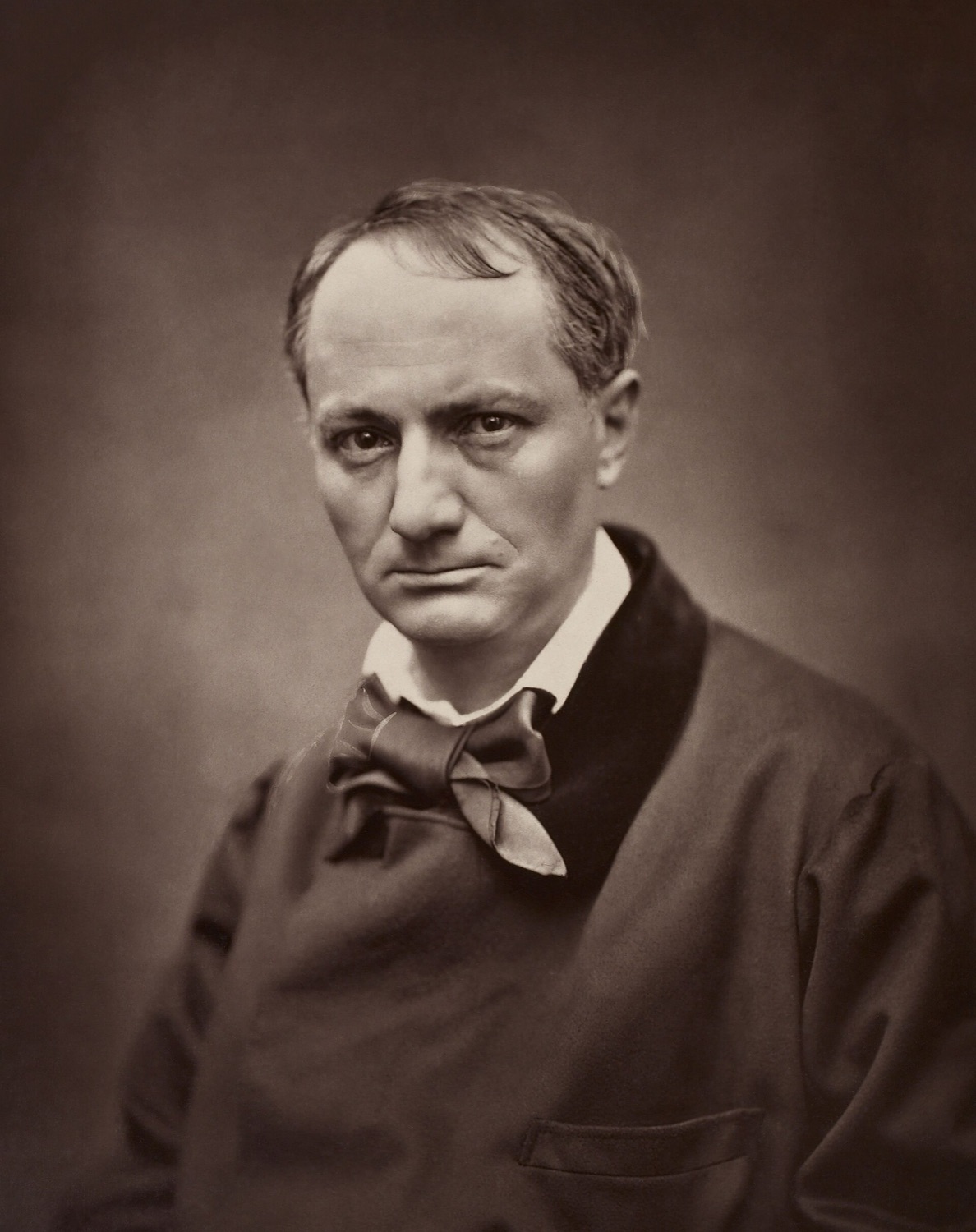
1870. Paris is a city under siege, literally and figuratively. The Franco-Prussian War is under way, and as the city waits for the Prussian army, its citizens throw themselves into every imaginable indulgence.
Police commissioner Paul Lefevre, no stranger to self-indulgence himself, is hunting an unusually brutal and inventive serial killer who leaves scraps of poetry with the bodies. It is three years since the death of the scandalous poet Charles Baudelaire, yet the people who tormented him during his lifetime are the ones being murdered. After each killing the murderer leaves a verse from Les Fleurs du mal, poems about evil, eroticism and decadence. Is someone avenging the poet? Or is Baudelaire somehow directing the killings from beyond the grave?
A dark portrait of an era
In this sometimes gruesome, always fascinating and well-crafted novel, Van Laerhoven evokes the atmosphere and morals of the age with real skill. Themes of dissolution, lost hope, class conflict and the scars of past trauma make Baudelaire's Revenge more than an engrossing mystery. The reader feels the oppressive atmosphere of Paris and the violence and hopelessness of the time. The novel won the Hercule Poirot Prize for best crime novel in Flanders and a USA Best Book Award in the mystery and suspense category, and it is easy to see why. Van Laerhoven weaves real historical figures into a fictional story that reveals much about the ethos of an era.
Pleasure, debt and the gaming tables
The Paris of the novel is a city that has been living on credit. Public gaming houses had been banned in Paris since 1838, so the fashionable crowd of the Second Empire gambled in private clubs and back rooms, or took the train to the great spa casinos such as Baden-Baden, where Dostoevsky had lost heavily at roulette only a few years earlier (we tell that story in Dostoevsky's The Gambler). Van Laerhoven captures that mood of a society gambling with borrowed money and borrowed time, and his commissioner moves easily through salons, brothels and card rooms where fortunes change hands in a night.
The novel also connects to a real literary scandal. When Les Fleurs du mal was published in 1857, Baudelaire and his publisher were prosecuted and six poems were banned in France, a ban not formally lifted until 1949. Read more in our chronological history of banned books.
About the author
Bob Van Laerhoven is a Flemish author born near Antwerp in 1953. He published his first novel in the mid-1980s and became known for colourful, kaleidoscopic novels in which individual fates are bound up with great social upheavals. In the 1990s he travelled to conflict zones, including besieged Sarajevo, and worked alongside Doctors Without Borders in Bosnia, where he interviewed refugees from Srebrenica for a non-fiction book about the massacre. His fiction has been translated into several languages, including French and English.