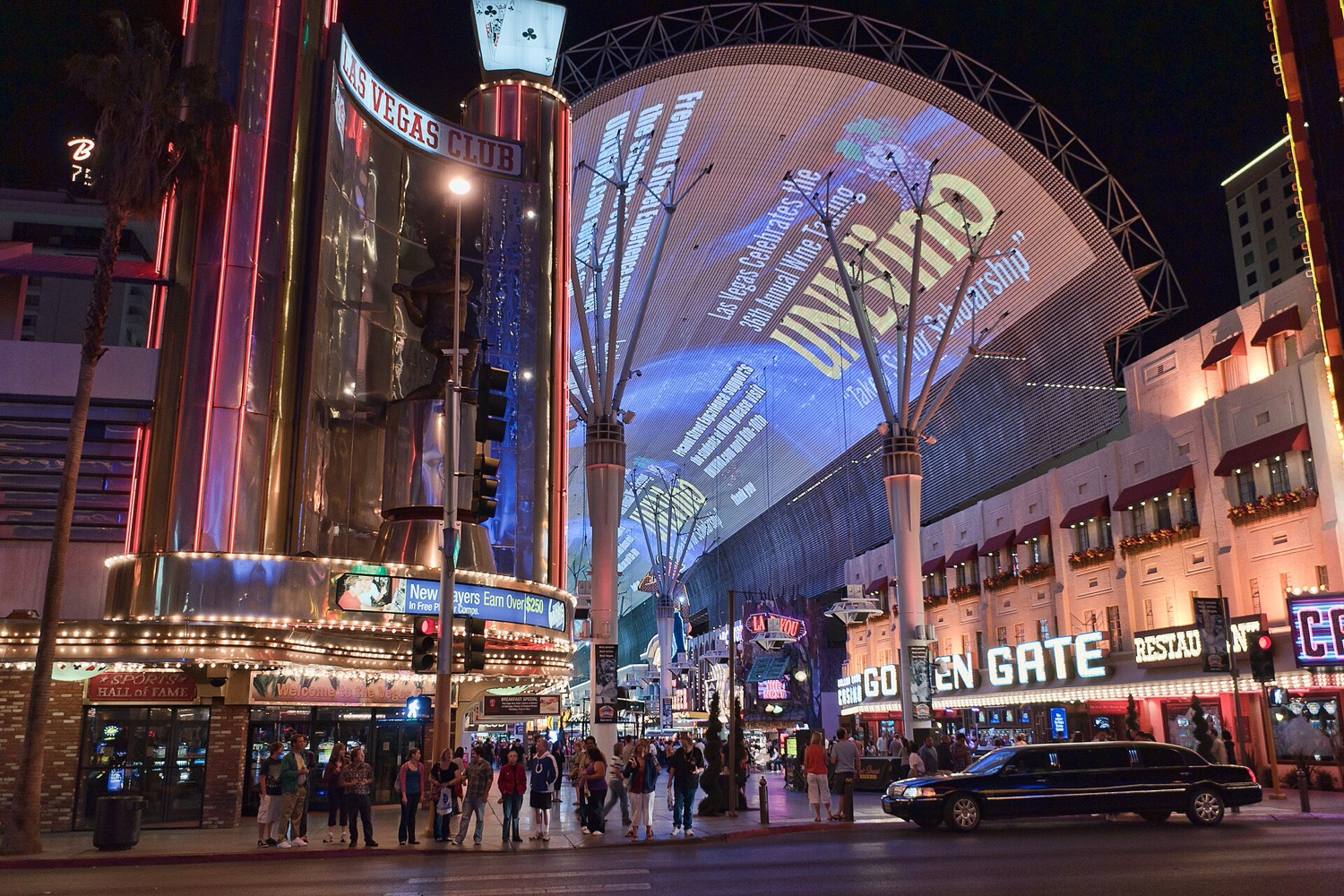
Las Vegas is a city built on stories: the lucky streak, the last chance, the fortune won and lost before sunrise. Since Nevada legalised casino gambling in 1931, writers have treated it as a stage for American dreams at their most dazzling and their most desperate. Here is a guide to the city in books.
Fear and Loathing in Las Vegas by Hunter S. Thompson (1971)
The most famous Vegas book of all began as a magazine assignment to write photo captions for a desert motorcycle race. Thompson and his attorney checked into the city, and what followed became Fear and Loathing in Las Vegas: A Savage Journey to the Heart of the American Dream, first serialised in Rolling Stone. It is outrageous, hilarious and drug-soaked, but underneath the chaos it is a serious book about the end of the sixties and a country that had swapped its ideals for the slot machine. The casino scenes, especially the trapeze artists swinging above the gaming tables at Circus Circus, are among the most vivid ever written. We look at its most famous line in Buy the ticket, take the ride.
The Godfather (1969) and Fools Die (1978) by Mario Puzo
Mario Puzo knew gambling first-hand, and he was candid that he wrote The Godfather partly because he was in debt, including to bookmakers, after two well-reviewed novels had earned very little. Las Vegas plays a key role in the book: the Corleone family's move into the casino business, and the fate of Moe Greene, the hotel owner who refuses to sell, show the desert city as the mob's new frontier.
Puzo returned to the city in Fools Die, which opens in a fictional Las Vegas casino hotel called the Xanadu and follows a struggling writer through the worlds of gambling, publishing and Hollywood. It is sprawling and uneven but full of insider detail about how casinos treat their high rollers, how dealers and pit bosses work, and why the house always seems to win. Puzo also wrote a non-fiction book, Inside Las Vegas (1977).
Casino by Nicholas Pileggi (1995)
The author of Wiseguy turned to Las Vegas in Casino: Love and Honor in Las Vegas, the true story of Frank "Lefty" Rosenthal, a sports handicapper who ran casinos for mob-connected owners in the 1970s, and his friend Anthony Spilotro. Martin Scorsese filmed it the same year with Robert De Niro, Joe Pesci and Sharon Stone. The book is the best account of how the old Las Vegas skim worked, and of how corporate money eventually replaced the mob.
Shorter visits: Didion, Fleming and others
- Joan Didion, "Marrying Absurd" (1967). Didion's short essay on the Las Vegas wedding chapels, collected in Slouching Towards Bethlehem (1968), captures the city in a few unforgettable pages.
- Ian Fleming, Diamonds Are Forever (1956). James Bond follows a diamond-smuggling pipeline to a mob-run Las Vegas hotel. Fleming's portrait of the 1950s Strip is sharp and often funny. His first novel, Casino Royale, is set in a very different casino.
- Larry McMurtry, The Desert Rose (1983). A tender novel about an ageing Las Vegas showgirl and her daughter, written by the author of Lonesome Dove.
- John O'Brien, Leaving Las Vegas (1990). A dark, unsparing novel about a man who goes to the city to drink himself to death, filmed in 1995 with Nicolas Cage.
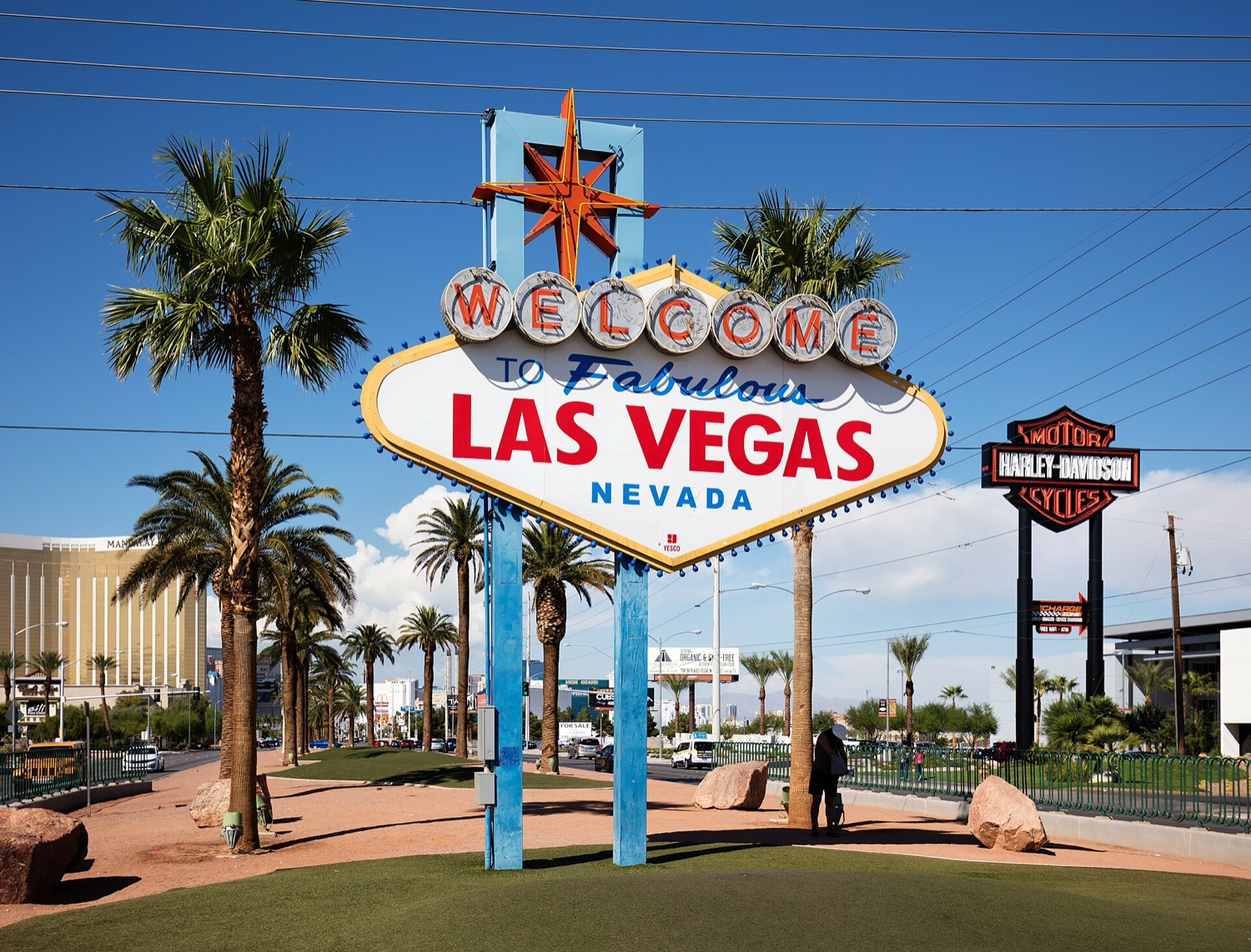
What makes Las Vegas such a literary city?
Las Vegas offers writers a ready-made metaphor. Everything about the place is built around chance: the casinos without clocks, the twenty-four-hour lights, the promise that the next spin could change your life. Characters arrive hoping to reinvent themselves, and the city tests them. Some win, most lose, and nearly all learn something about themselves at the tables.
If you are writing your own Vegas story, start with our guide to writing a believable casino scene. If you are reading, the reading list for poker and casino fans has more titles, and the Casino Novels section collects everything we have written on gambling in literature.